11
11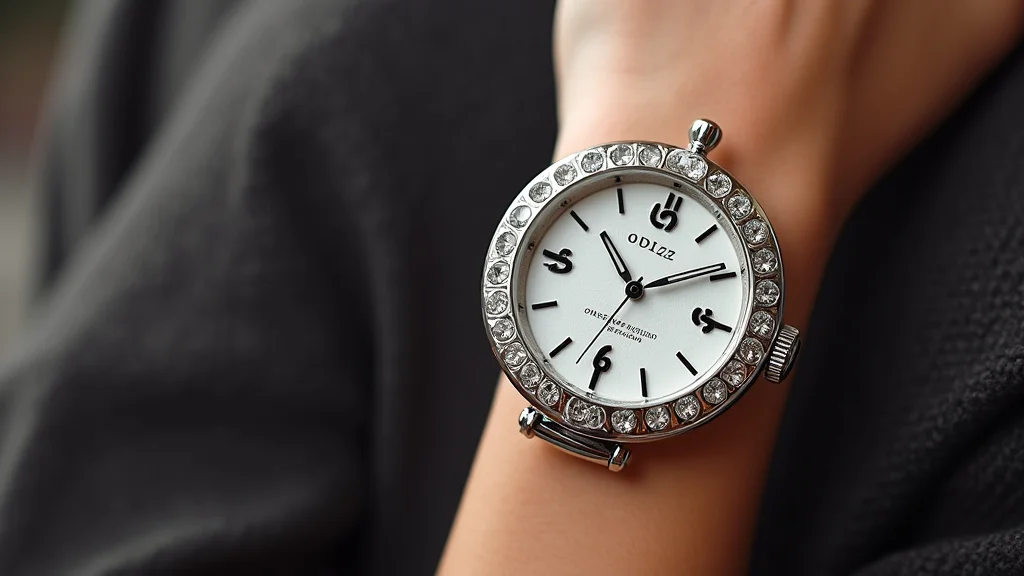
Looking for the perfect wrist watches for women can feel a little tricky sometimes. There are so many styles, brands, and things to think about! But don’t worry, it’s actually quite simple once you know what to look for.
This guide is made just for you, with easy steps to help you find a timepiece you’ll love. We’ll break it all down so you can feel confident about your choice. Get ready to discover your next favorite accessory!
Selecting wrist watches for women involves thinking about a few key things. It’s about finding something that looks good, feels comfortable, and fits your daily life. A watch can be a fashion statement, a practical tool, or both.
Many people find it hard to start because there are so many options. This section will help you figure out what matters most to you.
Your style is the first big thing to consider. Are you someone who likes simple, classic looks? Or do you prefer something bold and trendy?
Your watch should match the clothes you wear and the way you want to present yourself. Think about your favorite colors and the types of jewelry you usually wear. This will guide you toward watches that feel like a natural extension of your look.
Classic and minimalist watches often have clean lines and simple dials. They feature understated colors like silver, gold, rose gold, or black. These are great for everyday wear and can easily transition from work to a casual outing.
They pair well with almost any outfit and never go out of style. A simple leather strap or a sleek metal bracelet often completes the look.
Fashion-forward watches embrace current trends. They might have unique colors, interesting dial designs, or unusual strap materials. These are perfect for making a statement and adding personality to your look.
If you love keeping up with fashion, these watches will be exciting to explore. They are great for special occasions or when you want your accessory to be the main focus.
Where will you wear your watch? This is a crucial question. A watch you wear to the gym might be very different from one you wear to a formal dinner.
Your daily activities play a big role. If you’re very active, you might want something durable and water-resistant. If you work in an office, a more elegant or professional style might be better.
For daily use, you need a watch that is comfortable and can handle a bit of wear and tear. A watch with a sturdy strap, like stainless steel or a durable leather, is a good choice. Water resistance is also a plus for everyday activities like washing hands or dealing with unexpected rain.
Many casual watches offer a good balance of style and practicality.
In a professional environment, a watch can add a touch of sophistication. Classic styles with leather straps or elegant metal bracelets are often favored. Look for watches with clear, easy-to-read dials.
A subtle design can enhance your professional image without being distracting. Consider the overall impression you want to make.
For parties, weddings, or other special events, you might opt for a more luxurious or eye-catching watch. This could be a watch with a sparkling bezel, an intricate dial, or a premium material like genuine leather or a high-end metal. These watches are designed to be a beautiful accessory that complements your formal attire.
The materials used in a watch significantly impact its look, feel, and how long it lasts. Common materials include stainless steel, leather, silicone, and precious metals. Each has its own benefits and drawbacks.
Understanding these can help you choose a watch that suits your needs and preferences.
The watch case is the part that holds the inner workings. Stainless steel is very popular because it’s strong, resistant to corrosion, and looks good. Titanium is lighter and strong, often used for sport watches.
Gold and rose gold cases offer a luxurious feel but can be more expensive and prone to scratching. Ceramic cases are very scratch-resistant and hypoallergenic, making them a great choice for sensitive skin.
Straps come in many materials. Leather straps are classic and comfortable, offering a timeless look. They can be made from cowhide, calfskin, or even exotic leathers.
Metal bracelets, usually stainless steel, are durable and can be adjusted for a perfect fit. Silicone straps are excellent for active lifestyles as they are waterproof, flexible, and easy to clean. Fabric straps, like nylon, offer a casual and often colorful option.
The crystal protects the watch face. Acrylic crystals are cheap and easy to scratch, but also easy to polish out. Mineral crystals are more scratch-resistant than acrylic.
Sapphire crystals are the hardest and most scratch-resistant, making them ideal for high-end watches, though they can be more brittle.
The movement is the heart of the watch. It’s what makes the hands tick. There are two main types: quartz and mechanical.
Quartz watches use a battery to send an electric current through a tiny quartz crystal. This crystal vibrates at a precise frequency, which powers a small motor to move the watch hands. They are known for their accuracy and low maintenance.
You usually only need to replace the battery every few years. They are also generally more affordable.
For example, a common quartz watch might be accurate to within 15 seconds per month. This makes them very reliable for everyday timekeeping. Many popular watch brands use quartz movements in their more affordable and everyday models.
Mechanical watches are powered by a wound spring, not a battery. When you wind the watch (either manually or automatically through the movement of your wrist), the spring stores energy. This energy is slowly released to drive the gears and move the hands.
They are admired for their craftsmanship and intricate engineering. They require more maintenance, like periodic servicing, but many enthusiasts love their traditional appeal. They are typically more expensive.
A well-maintained mechanical watch can last for generations. The sweeping motion of the second hand on a mechanical watch is also a signature feature that many people find appealing compared to the tick-tick of a quartz watch.
When you start looking at wrist watches for women, you’ll see many different styles. Each type offers something unique. Knowing these categories can help you narrow down your search quickly.
We’ll look at some of the most common and beloved types you’ll encounter.
Dress watches are designed to be elegant and sophisticated. They are typically slim, with simple dials, and often paired with leather straps or fine metal bracelets. They are meant to be worn with formal attire, like suits, dresses, or evening wear.
The focus is on refined aesthetics and understated luxury. They usually do not have many extra features like chronographs or large date windows, keeping their design clean and minimalist.
A classic example of a dress watch is one with a white or silver dial, thin Roman numerals or simple markers, and a black leather strap. The case is often made of polished stainless steel or precious metal. Their slim profile allows them to easily fit under a shirt cuff or a tight sleeve.
Sport watches are built for durability and functionality, especially for active individuals. They often feature water resistance, shock resistance, and rugged materials. Many sport watches have features like chronographs (stopwatches), rotating bezels for timing, and luminous hands for easy reading in low light.
They can range from casual to highly technical, suitable for everything from a light jog to serious diving.
Think of a diver’s watch with its thick, durable stainless steel case, a rubber strap, and a unidirectional bezel. These watches are designed to withstand pressure and harsh conditions. Many brands offer sport watches that also look good enough for casual everyday wear, blending toughness with style.
Smartwatches have moved beyond telling time. They connect to your smartphone and offer a wide array of features. You can receive notifications, track your fitness, monitor your heart rate, make payments, and even make calls.
They come with digital displays that can be customized with different watch faces. Smartwatches are a great choice for tech-savvy individuals who want a device that does more than just tell time.
A modern smartwatch can display your emails, calendar appointments, and text messages right on your wrist. Fitness tracking features are standard, often including step counting, calorie tracking, and various sport modes. Battery life varies, but many require daily or every-other-day charging.
Fashion watches are all about style and making a statement. They are often designed by fashion houses and focus on current trends, colors, and unique designs. While they tell time, their primary purpose is to be an accessory that complements an outfit.
You’ll find a wide variety of styles, from bold and colorful to subtly chic, often featuring interesting embellishments or collaborations with designers.
For instance, a fashion watch might have a brightly colored strap, a dial with a unique pattern like animal print or a floral design, or a case shaped like an animal. These watches are perfect for expressing your personality and staying on-trend. They might not have the same durability or precision as specialized watches, but their aesthetic appeal is unmatched.
Minimalist watches strip away unnecessary details to create a clean and uncluttered look. They typically feature simple dials with only hour markers or very subtle branding. The focus is on clean lines, classic proportions, and a refined aesthetic.
These watches are versatile, pairing well with both casual and formal attire, and are a favorite for those who appreciate subtlety and elegance.
A perfect example is a watch with a plain white dial, thin stick markers for hours, and a slim brown leather strap. There are no extra complications like date windows or chronographs, ensuring the design remains pure and simple. This timeless appeal makes them a consistent choice for many.
The size and fit of your wrist watches for women are essential for comfort and appearance. A watch that is too big can look awkward, while one that’s too small might not be visible enough. Getting the right size ensures your watch feels good on your wrist and looks balanced with your frame.
The case diameter is the width of the watch case, not including the crown. For women, case diameters typically range from 25mm to 40mm. Smaller watches (25-30mm) are often considered more delicate and classic.
Mid-size watches (30-36mm) offer a good balance and are very versatile. Larger watches (36-40mm) can make a bolder statement and are popular in contemporary fashion.
A good rule of thumb is that the lugs (the parts of the case where the strap attaches) should not extend beyond the edges of your wrist. When standing with your arm relaxed at your side, the watch case should stay within the width of your wrist.
The strap needs to be the right length to fit comfortably. Most watch straps have holes for adjustment. For leather or fabric straps, ensure the buckle can be fastened without being too tight or too loose.
For metal bracelets, you can usually add or remove links to get a perfect fit. A good fit means you can slip one finger between the strap and your wrist.
When trying on a metal bracelet, pay attention to how the watch sits on your wrist. It should not slide around excessively. If it’s too loose, it can be uncomfortable and risk scratching other items.
If it’s too tight, it can restrict blood flow and feel unpleasant.
The weight of a watch can also affect comfort, especially for all-day wear. Heavier watches, often made of stainless steel or solid gold, can feel substantial. Lighter options like titanium, ceramic, or watches with leather or fabric straps are more comfortable for those who prefer not to feel the weight on their wrist.
Consider your tolerance for weight when choosing materials.
If you are used to wearing very light jewelry, a heavy watch might feel like a significant change. Conversely, some people appreciate the solid, quality feel that a bit of weight can bring to a timepiece.
You don’t need to spend a fortune to get beautiful and functional wrist watches for women. There are many excellent options available at different price points. Knowing where to look and what to prioritize can help you find great value.
The price of watches varies greatly. Entry-level fashion watches or basic quartz watches can cost from $50 to $200. Mid-range watches, offering better quality materials, reliable movements, and more refined designs, might be between $200 and $1000.
Luxury watches can range from a few thousand dollars to tens of thousands, featuring precious metals, complex movements, and renowned brand heritage.
It’s possible to find stylish and well-made watches from reputable brands in the $100-$300 range. These often use good quality quartz movements and durable stainless steel cases.
While famous brands have their appeal, sometimes lesser-known brands offer exceptional quality for the price. Look for watches that use reliable movements (like Japanese Miyota or Seiko quartz movements), durable stainless steel, and sapphire crystals. These features often indicate good value, regardless of the brand’s prominence.
Focus on the craftsmanship and materials rather than just the logo.
For example, a watch from a brand known for its component manufacturing might offer the same level of accuracy and durability as a watch from a high-fashion brand at a fraction of the cost, simply because the latter is paying more for marketing and brand prestige.
Keep an eye out for sales events, holiday promotions, and clearance sections. Many retailers offer significant discounts throughout the year. Signing up for email newsletters from your favorite watch brands or retailers can alert you to upcoming sales.
Patience can often lead to great savings.
Black Friday, Cyber Monday, and end-of-season sales are prime times to find deals. Even authorized dealers may have special offers during these periods.
To ensure your wrist watches for women last for a long time and continue to look great, proper care is important. Simple maintenance can prevent damage and keep your watch in top condition. Regular care helps preserve both its function and its aesthetic appeal.
Wipe your watch regularly with a soft, dry cloth to remove dust and fingerprints. For metal bracelets or cases, you can use a slightly damp cloth, but be sure to dry it thoroughly afterward. Avoid using harsh chemicals or abrasive cleaners, as they can damage the finish or the seals of the watch.
For leather straps, use specific leather cleaning products and conditioners.
If your watch has a leather strap and you wear it in humid conditions or it gets wet, allow it to air dry completely away from direct heat. This prevents the leather from cracking or becoming stiff.
Understand your watch’s water resistance rating. A rating of 30 meters (3 ATM) typically means it can withstand splashes but is not suitable for swimming. 50 meters (5 ATM) allows for light swimming.
100 meters (10 ATM) or more is generally safe for swimming and recreational water activities. Always ensure the crown is pushed in or screwed down before exposing the watch to water. Avoid operating the crown or buttons underwater.
For example, a watch rated 50m is often described as “water resistant” but not “waterproof.” This distinction is important; it means it can handle being submerged for short periods under specific conditions, but prolonged or deep submersion could still cause damage.
Mechanical watches, in particular, need periodic servicing, typically every 3-5 years. This involves disassembling the movement, cleaning the parts, lubricating them, and reassembling. This ensures the watch continues to run accurately and prevents wear on its components.
Quartz watches usually require battery changes every 1-3 years. It’s good practice to have the seals checked when changing the battery to maintain water resistance.
A professional watchmaker can perform this servicing. Neglecting servicing on a mechanical watch can lead to irreversible damage to the delicate parts over time, significantly increasing repair costs later on.
Reality: While high-end mechanical watches can be very accurate, many affordable quartz watches are actually more precise. Quartz movements are inherently more accurate than most mechanical movements. The cost of a watch often reflects the brand, materials, finishing, and complications, not just timekeeping accuracy.
A $100 quartz watch can often keep better time than a $10,000 mechanical watch.
Reality: Many brands now offer a wide range of wrist watches for women with larger case diameters and robust designs. The lines between men’s and women’s watches have blurred considerably. It’s more about finding a size and style that fits your wrist and personal preference, regardless of traditional gendered marketing.
Many women today opt for mid-sized or even larger watches for a fashionable statement.
Reality: Water resistance is measured in atmospheres (ATM) or meters, indicating the pressure the watch can withstand, not necessarily how deep you can take it. A 50-meter rating might be okay for a quick dip, but not for prolonged swimming or diving. Factors like temperature changes, impacts, and aging seals can affect water resistance over time.
Always check the specific rating and avoid operating buttons underwater.
Reality: Automatic watches are admired for their mechanical complexity and craftsmanship, which many enthusiasts find appealing. However, quartz watches are generally more accurate, require less maintenance (no need for regular winding or servicing), and are more affordable. The “superiority” depends on what you value most: the intricate engineering of a mechanical movement or the practicality and accuracy of quartz technology.
Answer: For beginners, a simple quartz watch is often a great starting point. They are accurate, require minimal maintenance, and are available in many stylish designs at affordable prices. A minimalist or casual sport watch would be versatile.
Answer: Quartz watch batteries typically last between 1 to 3 years, depending on the watch’s functions and battery quality. It’s a good idea to have the seals checked when the battery is replaced to ensure water resistance is maintained.
Answer: Light rain might be okay for some leather straps, but it’s best to avoid getting them wet. Water can stain, stiffen, or damage leather over time. If it gets wet, dry it gently with a soft cloth and let it air dry away from heat.
Answer: Water resistance ratings (like 30m, 50m, 100m) indicate the pressure a watch can withstand, not the depth you can safely take it. Higher ratings mean greater protection against water damage during activities like swimming or diving.
Answer: The watch case should not extend beyond the sides of your wrist. For comfort, you should be able to slip one finger between the strap and your wrist. The lugs of the case should not hang over the edge of your wrist.
Finding the perfect wrist watches for women is about matching style, occasion, and personal preference. Consider material, size, and movement to find a timepiece that fits your lifestyle. Remember to care for your watch to keep it looking its best.
You can find beautiful and reliable options across various budgets.