11
11
Picking out new wrist watch brands can feel like a big task. So many names and styles might make you scratch your head. Don’t worry, this guide makes it simple.
We will walk you through everything you need to know about wrist watch brands. Get ready to find what you like best.
The world of wrist watches is vast and exciting. Many companies create timepieces, each with its own story and style. For someone new, knowing where to start can be tough.
This section breaks down the most talked-about wrist watch brands and what makes them special. We look at what people love about them and why they have stayed popular.
Luxury wrist watch brands are known for their fine craftsmanship, high-quality materials, and often, their rich history. These watches are more than just timekeepers; they are often seen as investments and status symbols. They use precious metals like gold and platinum, and intricate mechanical movements that are assembled by hand.
Many luxury brands have been around for over a hundred years, perfecting their art.
These brands often employ master watchmakers who dedicate years to learning their craft. The details in a luxury watch are incredible, from the hand-polished finish of the case to the delicate engraving on the movement visible through a sapphire crystal case back. Think of brands like Rolex, Patek Philippe, and Audemars Piguet.
They represent the pinnacle of watchmaking skill and design.
In the middle ground, you find brands that offer excellent quality and style without the extreme price tag of luxury watches. These are often the sweet spot for many buyers. They use good materials, reliable movements (often from Swiss or Japanese manufacturers), and offer a wide range of designs suitable for everyday wear or special occasions.
These brands are accessible and deliver great value.
These wrist watch brands are perfect for those who appreciate good engineering and design but are also mindful of their budget. They might feature automatic movements or high-quality quartz technology. You can find everything from sporty chronographs to elegant dress watches.
Many people build impressive collections from this category.
For those on a tighter budget or just starting their watch journey, affordable wrist watch brands offer fantastic options. You can find stylish and reliable watches that don’t break the bank. These often use quartz movements, which are very accurate and low-maintenance, but some brands also offer mechanical watches at lower price points.
These brands prove that you don’t need to spend a fortune to enjoy a great watch. They are perfect for everyday wear, as gifts, or for trying out different styles. The technology in many of these watches is surprisingly advanced, offering great bang for your buck.
Many people are surprised by the quality and features available at these price levels.
The heart of any watch is its movement, which is the mechanism that keeps time. Different types of movements offer different experiences and require different levels of care. Understanding these can help you appreciate the craftsmanship and choose a watch that suits your lifestyle.
We will break down the main types you will encounter when looking at wrist watch brands.
The movement is the engine of a watch. It’s where all the gears, springs, and other tiny parts work together to tell time accurately. The type of movement significantly impacts a watch’s price, accuracy, and maintenance needs.
Knowing this will help you decide which wrist watch brands and models are best for you.
Mechanical movements are powered by a wound spring. They have no batteries. When you wind the crown, you tighten the mainspring, which then slowly unwinds, driving the gears that move the hands.
These are complex and revered by watch enthusiasts for their engineering and craftsmanship.
There are two main types of mechanical movements: manual-wind and automatic. Manual-wind watches require you to turn the crown regularly to tighten the spring. Automatic watches, also known as self-winding watches, have a rotor that spins with the motion of your wrist, winding the mainspring for you.
Both types showcase incredible horological skill.
Technical Term Explanation: Mainspring
The mainspring is a coiled ribbon of metal that stores the energy for a mechanical watch. When you wind the watch, you twist this spring tighter. As it slowly unwinds, it releases that stored energy to power the watch’s gears and keep it running.
The length of time a watch can run after being fully wound is called its power reserve. A longer power reserve means the watch can run for more hours or days without needing to be wound.
Technical Term Explanation: Rotor
The rotor is a semi-circular piece of metal found in automatic watches. It’s attached to an axle and pivots freely. When you move your arm, gravity causes the rotor to swing back and forth.
This swinging motion is connected to a winding mechanism that tightens the mainspring, thus winding the watch. It’s a clever way to harness the wearer’s movement to power the timepiece.
Quartz movements are battery-powered and use a quartz crystal that vibrates at a very precise frequency when an electric current is applied. This vibration is then used to drive the watch’s gears and move the hands. Quartz watches are known for their high accuracy and low maintenance.
Quartz watches are generally more affordable than mechanical watches. They are also less susceptible to shocks and magnetism. For many people, a quartz watch is the perfect choice for everyday wear due to its reliability and accuracy.
They are often the choice for sports watches and digital timepieces.
Technical Term Explanation: Quartz Crystal
A quartz crystal is a naturally occurring mineral that has a unique property: when you apply an electrical voltage to it, it vibrates at a very precise frequency. In a quartz watch, a tiny battery sends this voltage to a small, specially cut piece of quartz. This crystal then oscillates at a rate of 32,768 times per second.
This steady oscillation is then counted by an electronic circuit to produce regular electrical pulses that drive a small motor, moving the watch hands.
Technical Term Explanation: COSC Certification
COSC (Contrôle Officiel Suisse des Chronomètres) is an independent organization that tests the accuracy of watches. For a watch to be officially certified as a chronometer, it must meet strict accuracy standards over several days, in different positions and temperatures. This certification is often found on higher-end Swiss watches, indicating a high level of precision.
While quartz watches are inherently accurate, COSC certification is more commonly associated with high-precision mechanical watches.
Selecting wrist watch brands that are right for you involves considering a few key factors. It’s about matching your personal style, your budget, and how you plan to use the watch. We’ll guide you through the questions to ask yourself to make the perfect choice.
Think about your daily life. Do you need a watch that can withstand rough activities, or is it more for special occasions? Your budget is also a major factor.
Understanding these aspects will help narrow down the vast selection of wrist watch brands available.
Your lifestyle plays a huge role in choosing a watch. If you’re very active, a durable, water-resistant sports watch might be ideal. If you work in a formal setting, a sleek dress watch would fit in better.
For everyday wear, a versatile watch that can handle a bit of everything is a good choice.
Think about the activities you do most often. Are you often outdoors, swimming, or playing sports? Or do you spend most of your time in an office or at home?
The material of the watch, its water resistance rating, and its overall design should all align with your typical day-to-day activities. This ensures your watch is both functional and appropriate.
Wrist watch brands come at all price points. It’s important to set a budget before you start looking to avoid overspending or getting discouraged. Remember that even affordable watches can be excellent quality.
Decide how much you are comfortable spending. This will help you focus on specific categories and brands. A higher price often means better materials, more complex movements, and a stronger brand name, but great value can be found at every level.
What kind of look do you prefer? Do you like bold and sporty, or elegant and classic? Your personal style is a direct reflection of the watch you should choose.
Consider colors, strap materials, and case shapes.
Think about the clothes you wear most often. Does a chunky digital watch fit your vibe, or do you lean more towards a slim leather-strap watch? Your watch is an accessory, so it should feel like a natural extension of your personal taste.
Don’t be afraid to try different styles to see what feels right.
Meet Alex, a recent college graduate starting a career in finance. Alex needs a watch that looks professional and polished but is also reliable for daily wear. Alex’s budget is around $500.
Alex is considering a clean, silver-toned watch with a blue dial on a metal bracelet.
A good option for Alex would be a Tissot PRX, Hamilton Khaki Field Automatic, or a higher-end Seiko Presage model. These offer Swiss or Japanese automatic movements, good build quality, and a versatile aesthetic that transitions well from the office to casual outings. The blue dial adds a touch of personality without being too flashy.
Sarah loves hiking, camping, and water sports. She needs a watch that can keep up with her active lifestyle. She wants something durable, water-resistant, and easy to read in various conditions.
Her budget is around $300.
For Sarah, a robust dive watch or a field watch would be ideal. A Seiko SKX or a newer Seiko 5 Sports model, or a Citizen Promaster Diver would be excellent choices. These watches typically feature automatic or eco-drive movements, water resistance of 200 meters or more, and sturdy construction.
They are built to be tough companions for any adventure.
Reality: While expensive wrist watch brands often use higher-quality materials and more complex movements, “better” is subjective. A well-made, affordable watch can be just as reliable and stylish for many people. For instance, a solar-powered Citizen Eco-Drive can be incredibly accurate and low-maintenance, offering features that surpass basic mechanical watches that cost much more.
Reality: While mechanical watches are celebrated for their intricate engineering, quartz watches are also a significant part of horology. Many high-tech and innovative timepieces use quartz movements. The passion for watches is about appreciating design, craftsmanship, and function, regardless of the movement type.
Many collectors enjoy both types.
Reality: Major wrist watch brands often have diverse collections catering to different needs and styles. For example, Rolex makes sporty dive watches like the Submariner and elegant dress watches like the Day-Date. Similarly, Seiko offers everything from basic digital watches to high-complication mechanical chronographs.
It’s important to look at specific model lines within a brand.
Reality: Minor scratches on the case or bracelet can often be polished out by a watchmaker. Even significant scratches on stainless steel can sometimes be buffed away. The crystal (the glass covering the dial) is more delicate, but materials like sapphire crystal are very scratch-resistant.
Many watches can be restored to look nearly new.
Answer: Watches are not truly “waterproof.” They have a water resistance rating, usually measured in meters or atmospheres. This indicates how much pressure the watch can withstand without water entering. For example, 50 meters means it can handle splashes and shallow submersion, but not swimming or diving.
Answer: Mechanical watches typically need servicing every 3-5 years to ensure accuracy and longevity. Quartz watches usually require battery changes every 2-5 years and less frequent servicing, if any.
Answer: An in-house movement means the watch brand designed and manufactured the movement entirely within its own facilities, rather than using a movement made by a third-party supplier like ETA or Sellita.
Answer: Some vintage watches can increase in value, but it’s a complex market. Factors like rarity, condition, brand, and historical significance play a role. It’s best to buy vintage watches primarily for enjoyment, with any appreciation being a bonus.
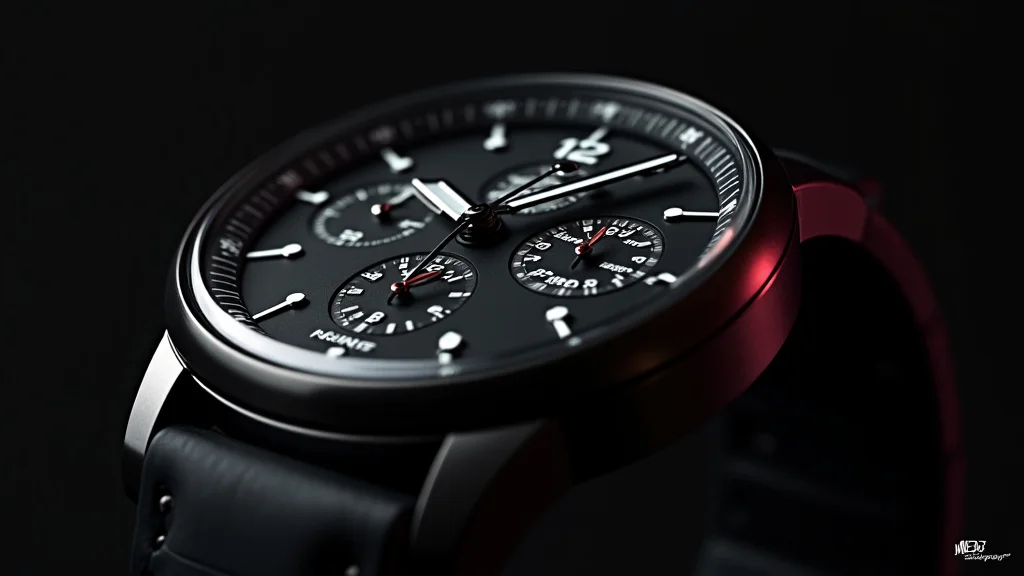
Answer: A chronograph watch is essentially a stopwatch function built into a watch. It typically has sub-dials and pushers on the side of the case that allow you to start, stop, and reset the timing mechanism.
Choosing wrist watch brands is about finding a piece that you love and that fits your life. You can explore many options, from affordable and reliable to luxurious and intricate. Focus on what matters most to you, whether it’s style, function, or the engineering inside.
With this guide, you can feel confident in selecting a watch that you will enjoy for years to come.