 11
11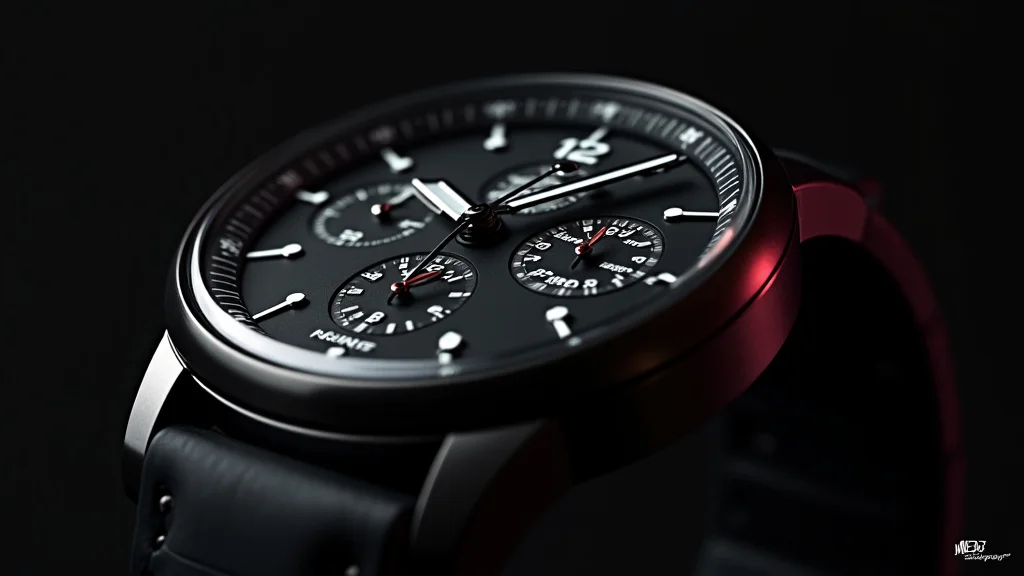
Many people find the wrist watch revival a bit tricky to get into. You see so many cool watches and think, “Where do I even start?” It can feel a little overwhelming with all the choices and terms. But don’t worry!
This guide is made for you. We’ll break it all down step by step, making it super easy to follow. Get ready to learn how to pick your perfect watch!
Wrist watches are making a huge comeback. It’s not just about telling time anymore. People are wearing watches as a style statement, a way to show off their personality.
They are seen as timeless pieces that can last for years. This trend is often called the wrist watch revival. It’s exciting for many because watches offer a blend of art, engineering, and personal expression.
Think of a watch as a piece of jewelry that also has a job to do. It can be simple and elegant or complex and sporty. The appeal lies in its craftsmanship and the history behind it.
Many watches are passed down through families, holding sentimental value. This connection to the past, combined with modern designs, fuels the revival.
Wearing a watch is like wearing a badge that says something about you. Are you someone who likes adventure? A rugged diving watch might be your style.
Do you prefer classic elegance? A slim dress watch could be perfect. The materials, colors, and features of a watch all contribute to its story.
This makes each watch a personal choice.
For beginners, choosing a first watch can seem like a big decision. You want something that fits your lifestyle and looks good. It’s about finding a watch that you’ll love to wear every day.
This guide will help you understand the basics so you can make a confident choice.
Watches are marvels of engineering. Inside even a simple watch, tiny parts work together precisely. This is especially true for mechanical watches, which use springs and gears instead of batteries.
The skill and detail that go into making these components are truly impressive. This appreciation for quality craftsmanship is a big reason for the watch revival.
When you wear a well-made watch, you’re carrying a piece of art on your wrist. The way the hands sweep, the sound of the movement, and the feel of the materials all add to the experience. This tactile and visual pleasure is something digital devices can’t replicate.
This depth of design draws people back to watches.
Starting your watch collection is a fun process. It’s important to think about what you need and like. Do you need a watch for daily wear, for special occasions, or for sports?
Your answer will guide you toward the right type of watch. Don’t rush; enjoy exploring the options.
Consider your budget too. Watches come in many price ranges. You can find great options at affordable prices, and also high-end luxury pieces.
The key is to find the best value for what you want. This section will help you narrow down your choices.
The “movement” is the engine of a watch. It’s what makes the hands move. There are a few main types you’ll encounter.
Quartz movements are very common. They use a battery and a quartz crystal to keep time. They are usually very accurate and require little maintenance.
Battery changes are the main thing you’ll need to do. Many affordable watches use quartz movements.
Mechanical movements are more traditional. They don’t use batteries. Instead, they rely on a wound-up spring and a series of gears.
There are two kinds of mechanical movements: manual-wind and automatic.
Manual-wind watches need to be wound by hand each day. This is a ritual some people enjoy. Automatic watches wind themselves as you move your wrist.
The motion of your arm powers the movement. These are fascinating for their engineering.
The dial is the face of the watch where you see the time. It comes in many colors and designs. Some dials have numbers, others have markers.
Some are plain, while others have many sub-dials for extra features.
The case is the outer shell that holds the movement and protects the dial. Cases are made from different materials like stainless steel, titanium, gold, or even plastic. The size and shape of the case also affect how the watch looks and feels on your wrist.
Stainless steel is a popular choice for watch cases. It’s strong, durable, and doesn’t rust easily. It also looks good and can be polished to a shine.
Most everyday watches use stainless steel cases.
Titanium is lighter than steel and very strong. It’s a good choice for sports watches or for people who find steel too heavy. It can sometimes have a matte finish.
Precious metals like gold and platinum are used for luxury watches. They are beautiful but can be softer and more prone to scratches. They also come with a higher price tag.
The strap or bracelet is what attaches the watch to your wrist. This choice greatly affects the watch’s overall look and comfort. You’ll find many different types.
Leather straps are classic and comfortable. They come in many colors and textures, from smooth calfskin to rugged alligator. They can give a watch a formal or casual feel depending on the style.
Metal bracelets are also very popular. Stainless steel is common, offering durability and a sporty or dressy look. Other metals like titanium or even gold can be used.
Bracelets often have adjustable links for a perfect fit.
Rubber or silicone straps are great for sports and diving watches. They are waterproof, durable, and easy to clean. They provide a secure fit during active use.
When you look at watches, you’ll notice they often fall into certain categories. Each type is designed for a specific purpose or style. Knowing these categories can help you find what you’re looking for.
This section will explore some of the most common and sought-after watch types. You’ll learn what makes them special and who they are best for. It’s like having a map to the watch world.
Dress watches are made to be worn with formal attire. They are usually slim, elegant, and simple. You’ll often see them with leather straps and minimalist dials.
The focus is on refined style rather than many features.
A classic dress watch often has an automatic or manual-wind movement. The case is typically made of stainless steel, gold, or platinum. The dial is usually clean with slim hour markers or Roman numerals.
They are meant to complement a suit or a tuxedo, not overpower it. A good example is a watch with a plain white or black dial and thin hands.
Sports watches are built to be tough and functional. They can handle active lifestyles and rough conditions. Features often include water resistance, durable cases, and clear, easy-to-read dials.
Diving watches are a popular type of sports watch. They are designed to be used underwater and have high water resistance ratings, rotating bezels to track dive times, and luminous markers for visibility in low light. Field watches are another type, built for military use.
They are rugged, simple, and have highly legible dials.
Everyday watches, often called “tool watches,” are designed for daily wear. They need to be reliable, comfortable, and versatile. They should look good in many situations, from the office to a weekend outing.
A good everyday watch balances style and durability. It might have a stainless steel case and bracelet for toughness. Water resistance is often a plus, so it can handle rain or accidental splashes.
The dial should be easy to read at a glance. Think of a watch that you can wear without much worry.
When picking an everyday watch, consider these features:
For instance, a watch with a stainless steel oyster-style bracelet and a black dial with white markers offers a great blend of these qualities. It’s tough enough for daily use but stylish enough for many settings. Many brands offer watches that fit this description, making it a popular choice for many.
Smartwatches are modern devices that offer more than just timekeeping. They connect to your smartphone and can track your fitness, receive notifications, and even make payments. They are a fusion of technology and traditional watch design.
While very popular, smartwatches have a different appeal than traditional watches. Their battery life is shorter, and they are updated or replaced more frequently. For enthusiasts of the wrist watch revival, they are often seen as a separate category, though some appreciate their convenience.
Consider this scenario: You’re out for a run, and your phone is in your pocket. Your smartwatch buzzes with an important message. You can see who it’s from without stopping.
If you’re also tracking your heart rate and distance, the smartwatch is doing multiple jobs at once. This integration of functions is a key advantage.
Taking care of your watch will help it last a long time and keep it looking its best. Different types of watches need slightly different care. But there are some general rules that apply to most.
A little effort goes a long way in preserving your watch’s value and appearance. This section will give you practical tips to keep your timepiece in top condition. It’s simpler than you might think.
To clean most stainless steel or titanium watches, you can use a soft cloth and a little mild soap and water. Gently wipe the case, bracelet, and crystal. For stubborn dirt, a soft brush can help.
Be sure to rinse thoroughly and dry with a clean, lint-free cloth.
Leather straps should be cleaned with a slightly damp cloth. Avoid soaking them in water, as this can damage the leather. For very dirty leather, specialized leather cleaners are available.
Always let leather straps air dry completely.
Avoid harsh chemicals, solvents, or abrasive cleaners, as they can damage the watch’s finish or seals.
Water resistance ratings on watches are important, but they are not permanent. Ratings are usually given in meters or atmospheres (ATM). However, these numbers don’t mean you can dive to that depth.
It’s important to remember that water resistance can decrease over time. Seals can degrade, especially with age or exposure to heat. It’s a good idea to have your watch’s water resistance checked periodically, especially if you plan to expose it to water.
Mechanical watches, both manual and automatic, require a bit more attention. Manual-wind watches should be wound daily, usually at the same time. Wind until you feel resistance; don’t force it.
Automatic watches are self-winding, but they benefit from regular wear. If you don’t wear an automatic watch for a few days, it will stop. You can gently shake it to restart it or wind it manually a few times.
Mechanical watches need servicing every 3-5 years. This involves cleaning, lubricating, and adjusting the movement. Servicing ensures accuracy and prolongs the watch’s life.
Professional servicing is best for this.
Regular servicing of mechanical watches offers several advantages:
Think of it like taking your car for regular oil changes. It might seem like a small thing, but it’s vital for keeping the engine running smoothly for a long time. Watches are precision instruments, and they benefit greatly from this kind of care.
Many people who get into the wrist watch revival start collecting. It’s a hobby that combines passion for beautiful objects with an interest in history and engineering. Collecting can range from finding affordable vintage gems to investing in high-end timepieces.
Understanding how to identify good value is key. This isn’t just about price; it’s about quality, rarity, and desirability. This section will touch on how collectors approach watches.
Vintage watches are pre-owned watches that are often decades old. They can offer unique styles and a piece of history. Finding good vintage watches requires patience and research.
You can find them at antique shops, flea markets, online marketplaces, and from specialist vintage dealers. When buying vintage, always check the seller’s reputation. Look for clear photos and detailed descriptions.
Be wary of watches that have been heavily modified or are in poor condition unless you plan to restore them.
Some watches are more valuable because they are rare or highly desired. Limited edition watches, models with unique features, or watches from famous brands can command higher prices.
For example, a watch made in a small batch for a special event will be rarer than a mass-produced model. If a particular design is iconic and widely admired, its desirability increases. These factors play a big role in the collector’s market.
While many collect watches for pleasure, some see them as an investment. Certain watches, particularly rare or vintage models from reputable brands, can hold or increase their value over time.
However, it’s important to be realistic. The watch market can be volatile. Buying a watch solely as an investment without appreciating it for its own sake might not be the best approach.
It’s often best to buy what you love and see any appreciation as a bonus.
For instance, studies have shown that certain luxury watch brands have outperformed other assets like gold or art in recent years. A report by the Knight Frank Luxury Investment Index has tracked the performance of assets like classic cars, art, and watches. In some periods, certain watch categories have shown impressive growth, sometimes exceeding 10% annually.
This can attract investors looking for alternative assets.
This is not true at all. While luxury watches can be expensive, there are many fantastic watches available at much lower prices. Brands that offer excellent quality and style without breaking the bank exist.
Quartz watches are often very accurate and reliable for everyday use and are widely affordable. Many brands focus on providing great value.
While telling time is a watch’s primary function, many watches offer much more. Chronographs can time events, dive watches have bezels to track elapsed time underwater, and some watches have complications like moon phases or alarms. Beyond functions, watches are significant fashion accessories.
This is a matter of preference. Mechanical watches are admired for their intricate engineering and craftsmanship, which many collectors appreciate. However, quartz watches are typically more accurate, require less maintenance, and are more affordable.
Neither is objectively “better” than the other; they serve different needs and appeal to different people.
Many vintage watches have been well cared for and are in excellent working order. With proper research and inspection, you can find beautiful, functional vintage timepieces. Some may need minor servicing, which is common for any pre-owned mechanical item.
Answer: The most important factor is choosing a watch that you love and that fits your lifestyle. Consider what you’ll use it for and what style appeals to you most.
Answer: If you don’t wear an automatic watch daily, it’s a good idea to wind it manually about 30-40 times every week or so to keep the movement healthy and its power reserve up.
Answer: Not necessarily. While complex watches with many complications (like chronographs or perpetual calendars) are often more expensive, the price also depends on the brand, materials, and movement. Simple watches from luxury brands can cost more than feature-rich watches from less-known brands.
Answer: You can wear your watch while swimming if it has a sufficient water resistance rating, typically 100 meters or more. Always check the watch’s specific water resistance level and avoid using the crown or pushers while underwater.
Answer: You can learn a lot by visiting brand websites, reading watch enthusiast blogs and forums, watching reviews on video platforms, and visiting authorized dealers or reputable watch stores.
The wrist watch revival is about appreciating quality, style, and personal connection. Finding the right watch is a rewarding experience. You’ve learned about different types, how to care for them, and what to look for.
Enjoy exploring the many options available and find a watch that you’ll cherish for years to come.


