11
11
Choosing a watch can seem a little tricky, especially when you first start looking at all the options for wrist watches for men. There are so many styles and features, it’s easy to feel overwhelmed. But don’t worry!
It’s not as hard as it looks. We’ll break it down nice and simple, step by step. Get ready to learn about what makes a great watch and how to pick the one that’s just right for you.
Wrist watches for men come in many shapes and sizes, each designed for a specific purpose or style. Knowing these types helps you narrow down your choices quickly. Think about what you’ll be doing most of the time with your watch.
Are you looking for something rugged for adventures, or a sleek timepiece for formal events? This section will walk you through the most popular categories so you can see what fits your life best.
Mechanical watches are a marvel of tiny engineering. They use a series of springs, gears, and levers to keep time. There are two main kinds: manual-wind and automatic.
Manual-wind watches need to be wound by hand regularly, usually daily, to keep them running. This involves turning the crown until you feel resistance. It’s a ritual for many watch lovers.
Automatic watches, on the other hand, wind themselves. They have a rotor, a weighted piece that spins with the natural motion of your wrist. This spinning winds the mainspring, which powers the watch.
An automatic movement requires no battery and no daily winding if worn regularly. They are prized for their craftsmanship and longevity. Some people enjoy the connection to a watch that keeps ticking because of their own movement.
The appeal of mechanical watches lies in their heritage and complexity. They don’t rely on electronics, offering a connection to timekeeping that dates back centuries. The smooth sweeping motion of the second hand on a mechanical watch is also something many find more aesthetically pleasing than the ticking of a quartz watch.
These timepieces are often seen as investment pieces.
Quartz watches are known for their accuracy and low maintenance. They use a battery to send an electrical current through a tiny crystal of quartz. This crystal vibrates at a very precise frequency.
An electronic circuit counts these vibrations and translates them into the movement of the hands. Because of this electronic system, quartz watches are very reliable.
The main advantage of quartz watches is their accuracy. They are typically much more accurate than mechanical watches, often losing or gaining only a few seconds per month. They also tend to be more affordable and durable, making them excellent choices for everyday wear.
When the battery eventually runs out, it can usually be replaced easily.
Many quartz watches are designed to look just like mechanical ones, featuring date windows or multiple sub-dials. They offer a fantastic entry point into the world of wrist watches for men because they are accessible and dependable. You can find a wide range of styles and price points in the quartz category.
Smartwatches are modern marvels that do much more than just tell time. They connect to your smartphone and can display notifications, track your fitness, play music, and even make payments. They feature digital displays that can be customized with different watch faces.
Their functionality is constantly expanding with new apps and software updates.
These watches are powered by rechargeable batteries and require regular charging, similar to your phone. Their popularity has grown rapidly because they blend technology with convenience. For many, a smartwatch is an essential tool for staying connected and managing daily tasks.
They offer a hands-free way to interact with your digital life.
While smartwatches offer advanced features, their battery life is a key consideration. Most need to be charged daily or every few days. They are also generally less durable than traditional watches and can become outdated as new models are released.
However, their ability to integrate with your digital ecosystem makes them a compelling choice for the tech-savvy individual.
The materials used in a watch significantly affect its look, feel, durability, and cost. From the case to the strap, each component plays a role in the overall quality and longevity of your timepiece. Understanding these materials helps you make an informed decision, ensuring your watch can withstand your daily activities and maintain its appearance over time.
Let’s explore the common materials you’ll find in wrist watches for men.
The case is the main body of the watch, protecting its inner workings. Stainless steel is one of the most common and popular materials. It’s durable, corrosion-resistant, and hypoallergenic for most people.
Different grades of stainless steel exist, with 316L being a high-quality choice often used in luxury watches. It offers a good balance of strength and shine.
Titanium is another excellent material, known for being lighter and stronger than stainless steel. It’s also very resistant to corrosion and is often used in sports or dive watches where weight and toughness are important. Titanium has a slightly different, often matte, appearance compared to polished steel.
It’s a great option for those who want a durable watch that feels less heavy on the wrist.
Precious metals like gold and platinum are used for high-end watches. Gold comes in different karats (e.g., 14K, 18K) and colors (yellow, white, rose), each affecting its hue and hardness. Platinum is rarer and denser than gold, giving it a distinctive weight and a premium feel.
These materials are beautiful but also more prone to scratches and significantly more expensive.
The strap or bracelet is what holds the watch to your wrist. Leather straps are classic and versatile, offering a comfortable fit and a sophisticated look. They come in various types of leather, like calfskin, alligator, or exotic leathers, each with its own texture and grain.
Leather straps can wear over time, but many find the patina they develop adds character.
Metal bracelets are very popular and offer durability and a refined appearance. Stainless steel bracelets are common, often featuring adjustable links for a custom fit. Other metal options include titanium, as well as gold and platinum for luxury pieces.
Bracelets are generally more robust than leather straps and require less care, though they can sometimes pull hairs.
Rubber and silicone straps are excellent choices for active lifestyles. They are water-resistant, durable, and easy to clean, making them ideal for sports, swimming, or casual wear. These materials are comfortable and don’t degrade with exposure to sweat or moisture.
They provide a secure fit that stays put during physical activity.
The crystal protecting the watch face is crucial for its appearance. Sapphire crystal is considered the best. It’s extremely hard, second only to diamond, making it highly resistant to scratches.
Most luxury and higher-end watches use sapphire crystal. It’s clear and maintains its transparency well over time.
Mineral crystal is another common option. It’s more affordable than sapphire but also more prone to scratching. Some mineral crystals are treated with a coating to improve their scratch resistance, but it’s still not as durable as sapphire.
Acrylic or plastic crystals are the least scratch-resistant but are less likely to shatter and are easily polished if they do get minor scratches.
Water resistance is measured in ATM (atmospheres) or meters. A watch with 3 ATM (30 meters) can handle light splashes or rain. 5 ATM (50 meters) is suitable for showering or swimming casually.
10 ATM (100 meters) means it’s good for most water sports like snorkeling, and 20 ATM (200 meters) is required for serious diving. It’s important to note that water resistance can degrade over time due to seals aging.
Your daily routine and activities should heavily influence your choice of wrist watches for men. A watch that looks great in a boardroom might not be suitable for a hiking trip, and vice versa. Matching your watch to your lifestyle ensures it not only performs well but also complements your personal style and needs.
Think about where and how you’ll be wearing your watch most often.
Dress watches are designed to be elegant and understated, perfect for formal occasions or professional settings. They typically feature a slim profile, a clean dial, and a leather strap. Complications like chronographs or multiple subdials are usually absent to maintain a minimalist aesthetic.
Their primary goal is to pair seamlessly with suits, tuxedos, or smart casual attire.
These watches often have refined finishing and high-quality movements. They are crafted to be as unobtrusive as possible under a shirt cuff, adding a touch of sophistication without drawing too much attention. Precious metals like gold or rose gold are common case materials, though stainless steel can also be used in elegant designs.
The focus is on timeless design and quality craftsmanship.
When choosing a dress watch, consider the size of the dial and the color of the strap. Black or brown leather straps are standard. The dial color is usually classic white, silver, or black, with simple hour markers.
A dress watch is more about subtle luxury and complementing your formal wear than about extensive features.
Sports watches are built for durability, functionality, and resistance to the elements. They often feature robust cases, secure straps (like rubber or nylon), and higher water resistance ratings. Many sports watches include features like rotating bezels (for timing events), chronographs (stopwatches), and luminous hands and markers for visibility in low light.
They are designed to withstand bumps, shocks, and exposure to water and dust.
Dive watches are a popular subcategory of sports watches. They are designed to be water-resistant to significant depths and usually have a unidirectional rotating bezel to track dive times. Field watches are another type, inspired by military timepieces, known for their legibility and ruggedness.
Chronograph watches are also widely used in motorsports and other activities where precise timing is needed.
When selecting a sports watch, consider the specific activities you’ll be participating in. For swimming or diving, high water resistance is key. For rugged outdoor adventures, toughness and shock resistance are paramount.
The dial should be easy to read at a glance, even in challenging conditions. Many sports watches offer a blend of style and extreme practicality.
Everyday watches are the most versatile, designed to be worn comfortably in a wide variety of situations, from casual outings to less formal work environments. They strike a balance between style and practicality. These watches can range from simple, clean designs to more feature-rich timepieces.
They often feature durable stainless steel cases and comfortable straps, whether leather, metal, or even fabric.
The key characteristic of an everyday watch is its adaptability. It should look good with jeans and a t-shirt as well as with chinos and a button-down shirt. Many everyday watches include useful features like a date display, which adds functionality without being overly complex.
Their durability is also important, as they will likely be subjected to daily wear and tear.
When choosing an everyday watch, consider its size and weight to ensure comfort throughout the day. A watch that is too large or heavy can become a distraction. The dial design should be legible and appealing to your personal taste.
A good everyday watch is reliable, looks good, and can handle the demands of daily life without requiring constant attention or special care.
Beyond simply telling time, many wrist watches for men offer additional functions, known as complications. These features can range from simple date displays to complex astronomical calculations. Understanding these complications helps you appreciate the engineering involved and choose a watch that offers the utility you desire.
Here, we’ll explore some of the most common and interesting features.
The date display is one of the most common and useful complications found on watches. It typically shows the current day of the month, usually in a small window on the dial. Some watches feature a “day-date” complication, which shows both the day of the week and the date.
This function is incredibly practical for everyday use, allowing you to quickly check the date without reaching for your phone or a calendar.
There are different ways date windows are implemented. Some are simple apertures, while others might have a magnifying lens (often called a cyclops) to make the date easier to read. The mechanism for changing the date is usually linked to the crown, and it’s important to set it correctly, especially around the end of shorter months.
Incorrectly setting the date around midnight can sometimes damage the watch’s mechanism.
For many, the date complication adds a layer of practicality that elevates a watch from a mere time-telling device to a functional tool for daily life. It’s a subtle but highly appreciated addition for those who value convenience and efficiency in their accessories.
A chronograph is essentially a stopwatch function built into a watch. It allows you to measure elapsed time independently of the main timekeeping function. Chronographs are usually operated by pushers on the side of the case.
The top pusher typically starts and stops the stopwatch, while the bottom pusher resets it.
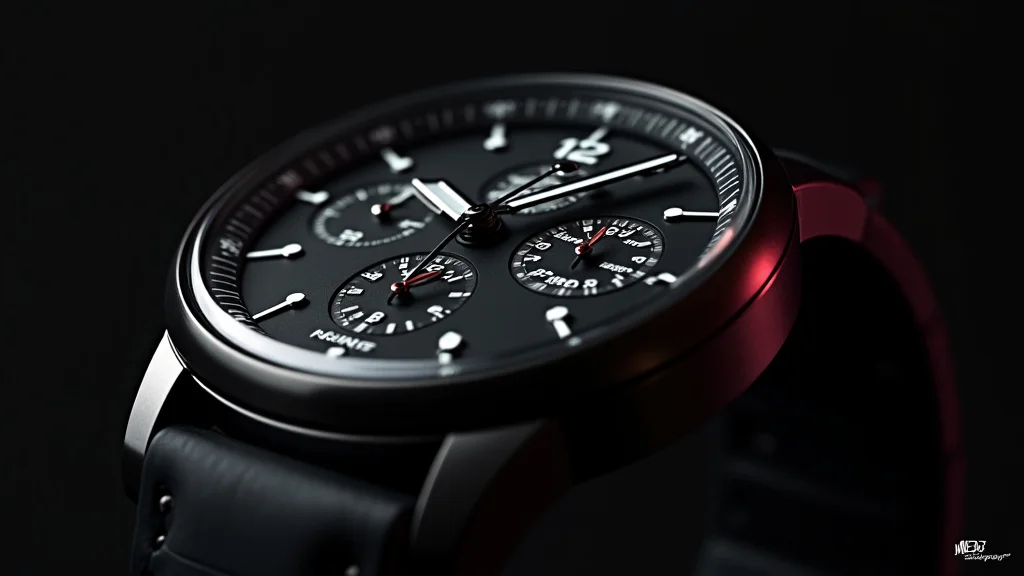
The dial of a chronograph watch often features sub-dials that display seconds, minutes, and sometimes hours of the elapsed time. These are usually smaller dials positioned within the main dial. The central chronograph seconds hand sweeps around the dial when activated, providing a visual indication of the timing in progress.
Chronographs are particularly popular for sports like racing or aviation, where precise timing is essential.
While the chronograph function is undeniably cool and adds a sporty or technical aesthetic to a watch, it also adds complexity to the movement. This can sometimes mean a slightly thicker watch case and potentially a higher price point. For those who appreciate precise timing and a visually dynamic dial, a chronograph is a highly sought-after feature.
World time and GMT (Greenwich Mean Time) functions are invaluable for frequent travelers or those who need to keep track of time in multiple time zones. A GMT watch typically has a fourth hand that makes one full rotation every 24 hours. This hand can be set independently of the main hour hand and is used to track a second time zone.
Many GMT bezels can also be rotated to track a third time zone.
World time watches are even more sophisticated. They often feature a rotating disc that displays the names of various cities around the world, each representing a different time zone. By adjusting a crown or bezel, the wearer can instantly see the time in any of these cities.
These watches are complex pieces of engineering that offer incredible utility for global citizens.
The practical benefit of these complications is immense for anyone who communicates or travels across different time zones regularly. They eliminate the need to constantly calculate time differences, providing an at-a-glance solution for staying connected globally. These features turn a watch into a truly functional travel companion.
Your wrist watches for men are investments that, with proper care, can last for many years and even generations. Simple maintenance routines can prevent damage, ensure accuracy, and keep your timepiece looking its best. Treating your watch with care ensures its longevity and preserves its value, whether it’s a daily wearer or a special occasion piece.
Cleaning your watch regularly is essential to remove dirt, sweat, and oils that can accumulate over time. For stainless steel or titanium watches with metal bracelets, you can use a soft brush (like a toothbrush) and mild soap with warm water. Gently scrub the case and bracelet, then rinse thoroughly and dry with a soft, lint-free cloth.
Be careful not to let water seep into the case if the watch is not highly water-resistant.
Leather straps should be cleaned with a damp cloth and mild soap, but avoid submerging them in water as this can damage the leather. Allow them to air dry completely away from direct heat or sunlight. For rubber or silicone straps, a simple wipe-down with a damp cloth is usually sufficient.
Always ensure the case back is securely fastened before exposing the watch to any moisture.
Beyond regular cleaning, consider having your watch serviced by a professional every few years. This is especially important for mechanical watches, which have intricate movements that require lubrication and adjustment. A service typically involves disassembling the movement, cleaning all parts, replacing worn components, lubricating, reassembling, and testing the watch’s accuracy and water resistance.
When you’re not wearing your watch, proper storage is important to protect it from damage and environmental factors. A watch box or pouch is ideal. This keeps watches separated, preventing them from scratching each other.
If you have multiple watches, a watch box with individual compartments is a great solution.
Avoid storing your watches in places with extreme temperatures, high humidity, or direct sunlight. These conditions can damage seals, fade dials, and affect the performance of the movement. For automatic watches that you don’t wear daily, consider using a watch winder.
A watch winder keeps the watch running by gently rotating it, which is beneficial for the movement and ensures it’s ready to wear whenever you need it.
Be mindful of magnetic fields. Strong magnets can affect the accuracy of mechanical watches. Keep your watch away from speakers, magnetic clasps on bags, and electronic devices that emit strong magnetic fields.
If you suspect your watch has been magnetized, it usually requires a demagnetization service, which is a simple procedure for a watchmaker.
This is not true. While high-end luxury brands often feature sophisticated automatic movements, many reliable and affordable watch brands offer excellent automatic watches. These timepieces provide the appeal of mechanical watchmaking without the extreme price tag.
You can find great automatic wrist watches for men at various price points, making them accessible to a wider audience. They are a fantastic way to experience mechanical watchmaking.
In reality, quartz watches are significantly more accurate than most mechanical watches. The vibrating quartz crystal provides a very stable and precise frequency, leading to much smaller timekeeping errors. While mechanical watches are admired for their craftsmanship, quartz movements are the champions of pure accuracy in everyday timekeeping.
A well-made quartz watch will reliably keep time with minimal deviation.
While an automatic watch is designed to wind itself through your wrist’s motion, you don’t necessarily need to wind it every day. If you wear the watch consistently throughout the day, the automatic rotor will keep the mainspring sufficiently wound. If you don’t wear it for a day or two, the power reserve will gradually deplete, and the watch will stop.
At that point, you can either wind it manually a few times or simply wear it to get it going again.
This is a common misconception. Water resistance ratings are a guide, not a guarantee of unlimited submersion. A watch rated for 30 meters is only protected against splashes, not swimming.
To swim comfortably, you generally need at least 50-100 meters of water resistance. Even then, it’s important to ensure the crown is fully screwed down or pushed in. Also, water resistance can decrease over time as seals age.
Answer: While preferences vary, sport watches and everyday casual watches are very popular due to their versatility and durability for daily wear.
Answer: It’s generally recommended to service a mechanical watch every 3 to 5 years to ensure optimal performance and longevity of its movement.
Answer: It is generally not recommended. Extreme heat can damage seals, affect lubricants, and potentially harm the watch’s movement or crystal.
Answer: It indicates the watch’s ability to withstand water pressure at a certain depth. Higher numbers mean greater resistance, but it doesn’t mean you can swim at that depth indefinitely.
Answer: Smartwatches are a modern type of timepiece that focuses on digital functions and connectivity, offering a different experience than traditional watches.
Finding the right wrist watches for men involves considering different types, materials, and features. Whether you prefer the classic feel of mechanical watches or the advanced technology of smartwatches, there’s a perfect timepiece out there for everyone. Think about your lifestyle and what you need your watch to do.
With simple care, your chosen watch can be a reliable companion for years to come, adding a touch of personal style to your everyday look.